
Winter: Here for a SAD time, not a long time. Seasonal Affective Disorder (SAD) is something we can all experience at one time or another, but what can we do about it?
TLDR: Seasonal changes and time shifting messes with our mental health, we too must shift in our self care.
Because we often accept “I feel kind of off this time of year” as “normal”,
we downplay how off we might be feeling.
We experience a normal, real time shift in our brains and bodies following the seasons. Ignoring it means you may stay stuck in place all season, while addressing it helps you feel better and enjoy whatever season you are in. Changes are normal, but you do not have to accept feeling less than yourself or sad for four months out of the year. You deserve to feel better!
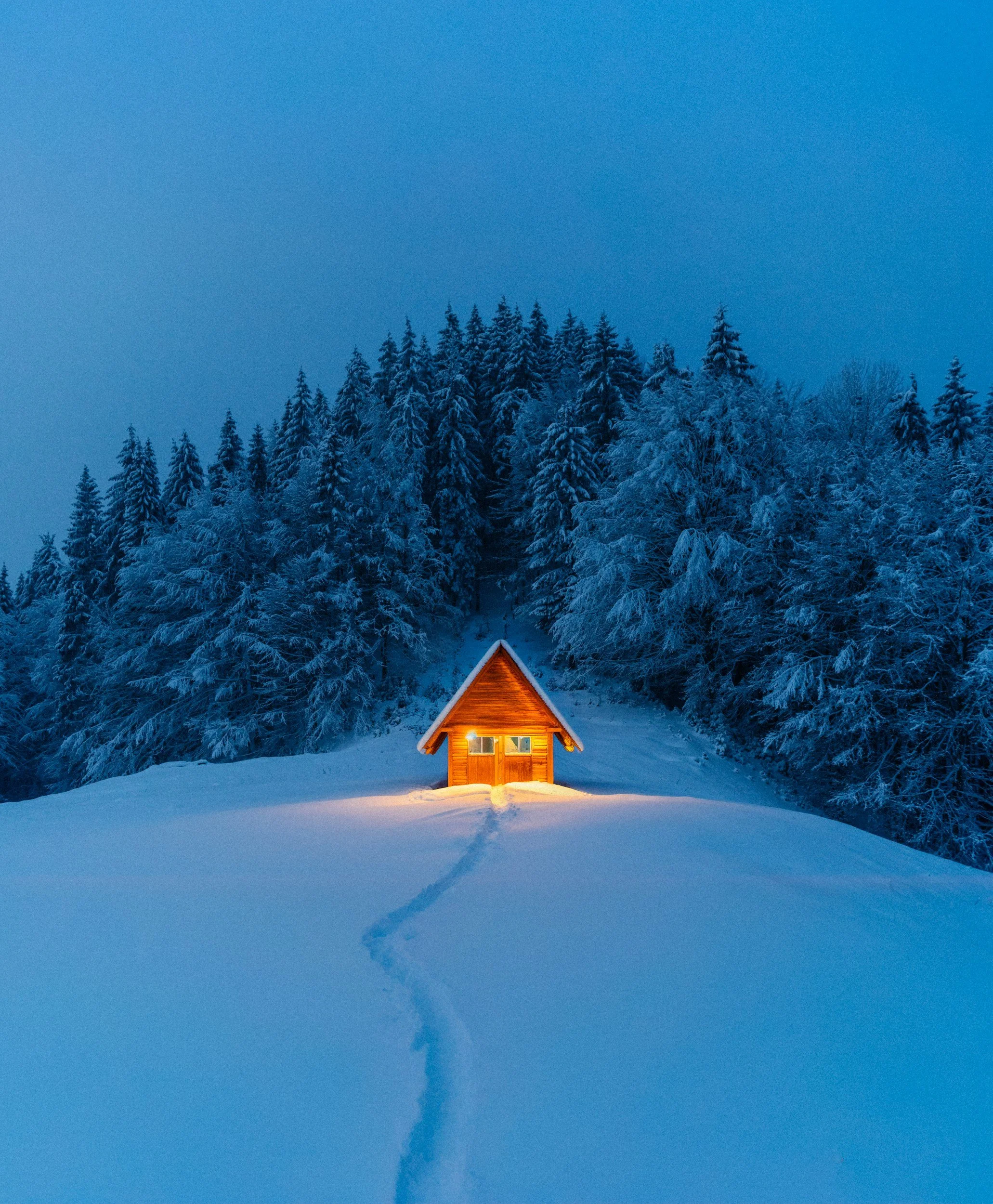
The goal here is not to keep moving forward, ignoring the impact of potential mood disruptions from weather changes. The goal is recognition and action.
What are actionable steps I can take to reduce impacts of seasonal changes?
-
Being outside in the morning light, or near a window with an open curtain if you’re unable to be outside, can increase the bodies natural Vitamin D levels.
Increased exposure to nutrient dense foods can alleviate effects of SAD, especially. those rich in Vitamin D. These are specifically things like fruits & barriers, leafy greens, dark chocolate, fish, and nuts.
Consider a light therapy lamp to simulate the affects of outdoor light.
-
Physical activity can help your mood and sleep. Get up and move your body (walking, stretching, whatever you like).
Social time (even if online) helps prevent isolation and boost mood. Share a meal with a friend, talk with someone on the phone, or even interacting positively with strangers can help.
Avoid doom-scrolling and reduce distressing online interactions.
Try to plan some “anchor events” — regular meet‑ups, phone calls, something you look forward to.
-
Journaling or mood‑tracking can help you notice patterns (e.g., noticing that you tend to be more tired or late when it is cold out, or that you feel inspired after going to communtiy or social events)
Tracking these things helps you to prepare supportive interventions early.
If you begin to have thoughts of self‑harm, hopelessness, or that you’re withdrawing heavily, seek help immediately.
-
Light your space well (soft lamps, warm light) and reduce bright glaring overhead lights if they disrupts you.
Decorate and create comfort for the season you are in (yes, even simple things like a cozy blanket, a warm drink, or time spent in warm spaces).
Limit isolation: schedule things you enjoy, even if the weather’s not ideal.

So, if you’re reading this and thinking to yourself, ‘Hm, I’m one of those people who start dragging when the days grow grey and cold”, you are probably right! The weather affects everyone differently, but it is natural, and you can adjust to do something about it.
Start small and where you can. See the morning light. Stabilize your sleep. Move your body. Connect with someone. Just because the seasons may change doesn’t mean that your wellbeing has to.








-
Why does all of this happen? There are tons of reasons. We all have an internal, master clock, a circadian rhythm. There is a big conversation occurring between our brain and our eyes; influencing our sleep and wakefulness, our digestion, temperature regulation, and the release of hormones. Specifically in the winter, oversleeping, overeating, and social withdrawal- sounds a lot like hibernating, doesn’t it?
Essentially, our bodies depend on a light-dark cycle to regulate mood, sleep, and energy. Light disruption from things like Daylight Saving Time shifts has been linked to mood issues, more intense symptoms of depression, and difficulties sleeping and waking.
Research shows broader “seasonality” effects on brain function, mood, and behavior vary by season. For example, in Germany, mental health changes have been shown to correlate with changes to our climate environment (such as temperature extremes, humidity, changes in weather patterns) when measuring helpline crisis call numbers over different weather patterns.
-
People experience SAD uniquely, and there is a normal fluctuation of mood and energy during seasonal changes. However, sometimes it may be more serious than normal fluctuation.
To reach diagnosis criteria, one must experience two or more weeks of feelings of sadness, anxiousness, hopelessness, or “empty” mood, irritability or restlessness, feelings of guilt or worthlessness, difficulties with concentration, changes in sleep or appetite, physical aches or pains without a clear physical cause and do not go away with treatment.
-
Thanks for checking in with yourself! Addressing these issues can be daunting, but reaching out is the first step.
Dealing with SAD can become increasing difficult for people already struggling with mental health concerns.
If you are feeling depressed to the point of self harm or suicide, immediately reach out to you primary care doctor, a therapist, or a psychiatrist.
-
González, L. (2024, March 11). How daylight saving time impacts your sleep-and what to do about it. UCSF Department of Psychiatry and Behavioral Sciences. https://psych.ucsf.edu/news/how-daylight-saving-time-impacts-your-sleep%E2%80%94and-what-do-about-it
Hastings, M. H., Maywood, E. S., & Brancaccio, M. (2018). Generation of circadian rhythms in the suprachiasmatic nucleus. Nature Reviews Neuroscience, 19(8), 453-469.
Istock by Getty ImagesJanzen, B. (2025). Temperature and mental health: Evidence from helpline calls. Journal of the Association of Environmental and Resource Economists, 12(6), 1431-1457.
Melrose, S. (2015). Seasonal affective disorder: an overview of assessment and treatment approaches. Depression research and treatment, 2015(1), 178564.Zhang, R., Volkow, N.D. Seasonality of brain function: role in psychiatric disorders. Transl Psychiatry13, 65 (2023). https://doi.org/10.1038/s41398-023-02365-x